Bio Inc. Total Defense Upgrade Builds & Bio Point Priority
Research unlocks, 150+ Bio Point nodes, and ~75 health factors—what to buy early, what to save for late.
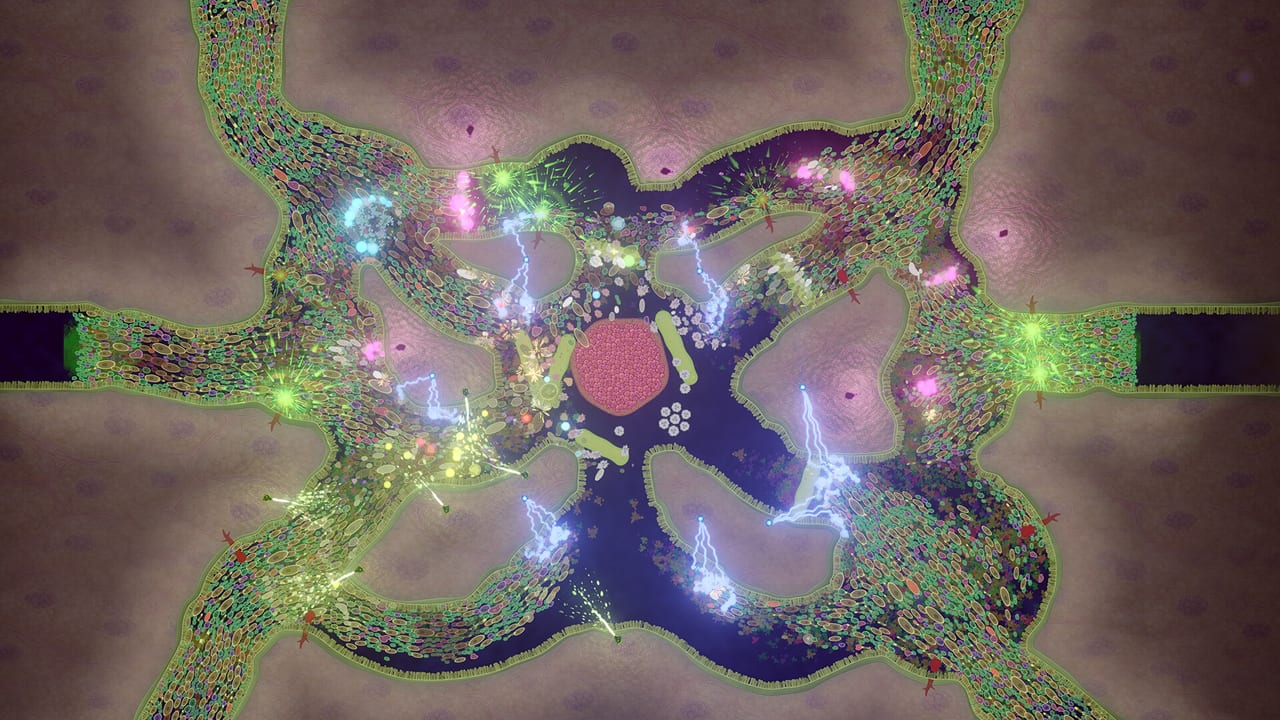
Bio Inc. Total Defense is as much an incremental upgrade game as it is a tower defense. DryGin Studios gives you roughly 150+ upgrade nodes purchased with Bio Points, Research Points that unlock defenses, and about 75 health factors—passives and modifiers such as Chain Reaction, Last Stand, ability charges, immunity, and crowd-control enhancements. This page turns that sprawl into practical early versus late build priorities. Pair it with the defenses tier list and the Tier List Hub.
No YouTube embed here on purpose: the getting-started guide already carries the shared overview video. Use this page as a text build reference you can keep open while the upgrade tree is on screen.
Currencies and what they buy
| Resource | Primary job |
|---|---|
| Research Points | Unlock new defenses so your line covers hunt, wall/slow, and burst roles |
| Bio Points | Advance the large node tree—damage, recharge, economy, and specialty branches |
| Health factors | Layer campaign-wide modifiers (Chain Reaction, Last Stand, charges, immunity, CC, and dozens more) |
Rule of thumb: Research missing roles before you greed pure damage nodes. A third hunter upgrade rarely saves a stage that has zero mucus or walls.
Early campaign build (first organs)
Goals for lungs, early vessels, and the first stomach/heart introductions:
- Unlock a hunter (white blood cells or macrophages) if the tutorial did not already hand you one.
- Unlock mucus or tissue walls so you can create time and pathing.
- Unlock one burst tool (fever blasts, acid glands, or antibody cannons) for density spikes.
- Spend early Bio Points on damage, attack/hunt speed, and slow strength before exotic late branches.
- Pick health factors that forgive mistakes: mild immunity, extra ability charges, or Last Stand-style clutch effects beat glass-cannon multipliers while you are still learning continuous spawn.
Early mistakes to avoid:
- Dumping every Bio Point into one defense while pathogens leak on an uncovered lane.
- Ignoring Research until mid-campaign, then discovering you cannot place a slow.
- Spending septic-shock-related power fantasies before you can survive long enough to use the special once per battle.
Cross-check basics in Getting Started and the wider Guides Hub.
Mid campaign build (heart, muscles, tougher vessels)
By the middle of the 12 campaign levels you should have a full role triangle and be branching the Bio Point tree:
- Hunters: range, retarget, and multi-target nodes if available.
- Control: mucus duration/radius and wall HP or placement limits.
- Burst: cooldown and damage for fever blasts / cannons / acid glands.
- Economy nodes: anything that accelerates Bio Point income between retries—Total Defense expects retries; faster upgrades matter.
Health factors to prioritize mid-game:
- Chain Reaction — amplifies clears when pathogens cluster inside mucus or acid zones.
- Ability charges — more fever/cannon uses before you tap septic shock.
- Crowd control — longer slows, stronger shocks if neural shocks are in your kit.
- Selective immunity — reduces chip that forces early septic panic.
Still hold Last Stand and deep immunity stacks if Hardcore or a bonus stage is your next target rather than a casual campaign clear.
Late campaign and bonus stages
Late organs (brain and other high-pressure maps), 3 bonus stages, and Hardcore Mode want specialization:
- Finish incomplete Research unlocks—empty defense slots are worse than imperfect node choices.
- Cap the Bio Point branches that support your two best defenses from the defenses list.
- Invest in health factors that scale with fight length: sustain, charge recovery, Chain Reaction density, Last Stand.
- Only then chase novelty nodes that look fun but do not close leaks.
Late-game sample directions (not the only viable paths):
- Control carry: mucus + walls maxed, hunters as cleanup, fever held for emergencies, septic shock reserved for multi-lane failure.
- Hunter carry: macrophages/white blood cells heavily noded, mucus mandatory support, antibody cannons for elites, Chain Reaction health factors.
- Burst carry: cannons/acid/fever cooldowns stacked with charge factors; still keep a mucus spine so bursts have a target window.
Health factor shortlist
Among the ~75 factors, think in buckets instead of memorizing every name on day one:
- Offense multipliers — Chain Reaction and raw damage; take when your placement is already stable.
- Clutch / survive — Last Stand, immunity; take when you die with unused burst.
- Tempo — ability charges and cooldown; take when you win until the moment all buttons are empty.
- Control — CC enhancements; take when pathogens walk through your mucus like it is water.
Respec or alternate plans may appear in patches—watch the Updates Hub and launch notes.
Demo lesson → full game build
The free demo (Steam app 5309850) capped upgrades early, which made stages feel grindy. DryGin cut demo pathogen health by 15% after feedback, and clarified that the full game keeps its own balance with every upgrade level available. If the demo felt impossible, do not assume your full-game Bio Point plan is wrong—you simply lacked the late tree. In the retail campaign, commit to Research coverage first, then deepen nodes.
Workshop and editor builds
Steam Workshop and the level editor let creators invent unfair pathing. Build advice shifts toward flexible role coverage over min-maxing a single campaign organ. Keep a “generalist” Bio Point skeleton (hunt + slow + burst + one clutch factor) before downloading hyper-specific community maps.
Checklist before a Hardcore attempt
- All critical defenses researched.
- Mucus and at least one hunter fully respectable on the Bio Point tree.
- At least one burst tool with charge-related health factors.
- Last Stand or equivalent clutch factor enabled.
- Septic shock mentally reserved—do not open the fight with it.
- PC performance stable so particle dense fights do not drop inputs—see system requirements and the Tools Hub.
Related reading
- Defenses tier list — which tools deserve your nodes
- Tier List Hub — ranking philosophy
- Guides / Getting Started — placement and onboarding
- Official links — Discord for build discussion with other players
Stay flexible. The 150+ node tree is designed for experimentation; these priorities exist so you stop wasting Bio Points on the third cosmetic branch while a research-locked slow would have saved the organ.
Frequently Asked Questions
Quick answers to the most common questions.
Should I spend Bio Points or Research Points first?
Unlock missing defense roles with Research first. Bio Points deepen what you can already place. A perfect node on one tower cannot cover a missing slow.
What are health factors?
About 75 campaign modifiers such as Chain Reaction, Last Stand, ability charges, immunity, and crowd control. They layer on top of the Bio Point tree.
Why did the demo feel harder than these builds suggest?
Demo upgrades stop early. DryGin also cut demo pathogen HP by 15% after feedback. The full game includes the complete upgrade tree and its own balance.
Is there a single best endgame build?
Not at launch. Control-carry, hunter-carry, and burst-carry are all viable once roles are covered. Hardcore favors sustain and charges.
Do Workshop maps need different upgrades?
Yes in the details, no in the principles. Keep hunt, slow, burst, and a clutch health factor before specializing for a community stage.